
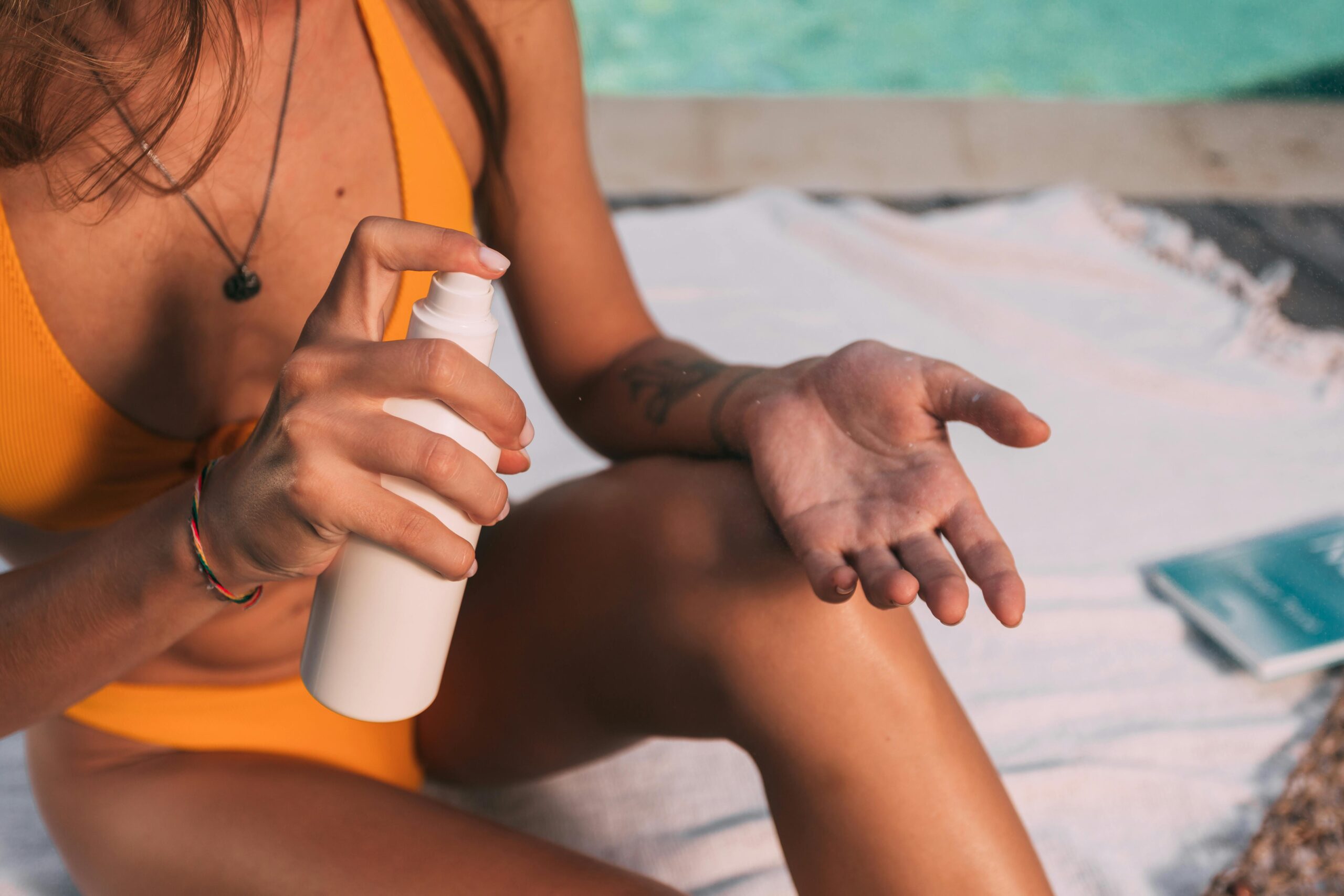
If you have oily face, then perhaps you have heard that “you don’t need a moisturizer, your skin already secretes oil”. That’s one of the biggest fallacies in skincare. However, the funny thing about oily skin that it can be a byproduct of dehydration. When your skin isn’t properly moisturized, it overproduces sebum. So skipping moisturizer? That could be contributing to the problem.
Why Oily Skin Still Needs Moisturizer
Your skin has two things it’s constantly trying to do at once: stay hydrated and control oil production. All of these are two different things. Oil (sebum) is produced by your sebaceous glands. When it comes to hydration, water gets the edge from water content in your skin cells.
When your skin is parched even if it’s oily it can send a signal to produce more oil to protect itself. Which is why when you have oily skin and don’t apply moisturizer because, well, you’re already oily enough you just end up shinier than if you had applied some by lunchtime.
What to Look for in a Moisturizer for Oily Skin
Before you buy anything, flip the product over and check the label. Here’s what matters:
Look for these ingredients:
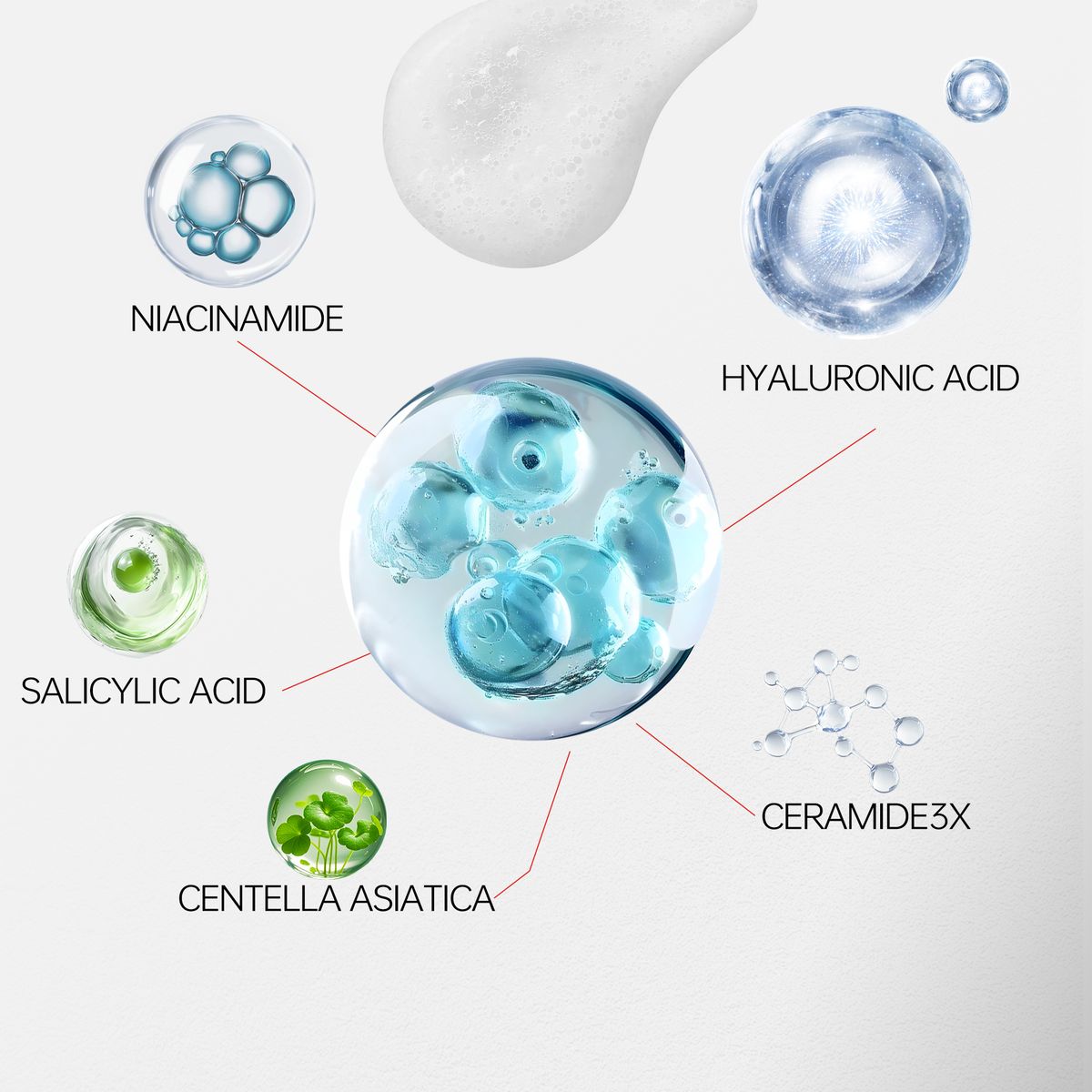
- Hyaluronic acid A humectant that draws water into your skin without adding oil. It’s lightweight, it works and it’s best for oily skin.
- Niacinamide is known to control sebum and help with minimizing the appearance of pores & brighten the skin. A genuine multitasker.
- Glycerin – A second humectant that moisturizes without being greasy.
- Salicylic acid – Especially good if you’re dealing with breakouts. It’s a gentle exfoliator and pore cleanser.
- Aloe vera – Naturally hydrating and soothing without weighing the hair down.
- Ceramides : Support and help regulate the natural production of oil over timeement, tighten up your skin so its harder for things to break through.
Avoid these if you can:
- Heavy oils, such as coconut oil, mineral oil or lanolin — these can clog pores for oily skin types.
- Thick, creamy, butter-textured creams or balms — they’ll remain on the surface of your skin instead of penetrate.
- Fragrance and alcohol — may irritate skin and stimulate further oil production.
- Comedogenic ingredients — always search out products that are marked “non-comedogenic.”
Types of Moisturizers for Oily Skin
Moisturizer formulas aren’t all equal. Textural considerations: What textures work best with oily skin For oily complexions, one texture is not always as effective as another.
Gel Moisturizers
For oily skin, gel formulas are often a standard pick. They are water-based, they absorb really quickly and they leave almost no residue. If you’ve never dipped your toe into the world of gel moisturizers, this is probably the one to try first.
Gel-Cream Moisturizers
Advancing beyond pure gels, gel-creams is thickened somewhat and offer a bit of nourishment before they absorb away clean. Ideal for oily skin that’s also tight or dry in spots.
Fluid or Lotion Moisturizers
Watery but moisturizing. Lotions are a cross between gels and creams, which is ideal for combination-oily skin.
How to Apply Moisturizer When You Have Oily Skin
Bottom line: The best moisturizer in the world can fail you if you haven’t spread it all over the right way. Here’s a low-maintenance routine that is effective:
- Wash your face with a mild, non-drying cleanser. Steer clear of those harsh, foaming ones that will dry you out — just provoke more oil.
- Apply toner if you use one (consider alcohol-free formulas containing niacinamide or witch hazel).
- Apply your moisturizer while your skin is slightly damp.
Morning vs. Night Moisturizer for Oily Skin
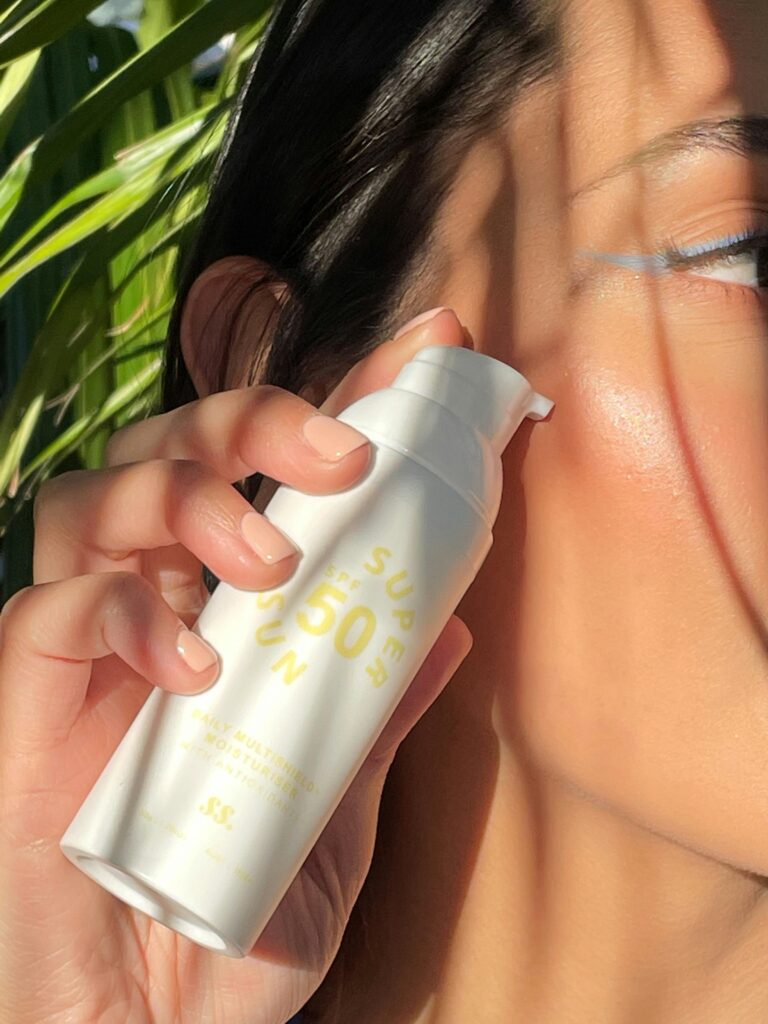
Morning: I use a moisturizer. A. Fluid one with SPF works best for me. It gives my skin the hydration it needs without making my makeup look weird or making me shiny by 10’m
Night: At night I use a moisturizer thats a bit richer. My skin fixes itself while I sleep so a gel-cream or lotion with ceramides or peptides helps make my skin stronger. I still don’t want anything just a bit more nourishing, than what I use during the day.
People with skin often make mistakes that hurt their skin.
One big mistake is washing their face much.
- If you wash your face than two times a day you will strip your oily skin of its natural barrier and it will make your oily skin produce even more oil.
- So you should only wash your face in the morning and at night.
- Another mistake people with skin make is skipping moisturizer.
- This is an idea because when your oily skin gets dehydrated it makes even more oil.
- You should also be careful about the products you use on your skin.
- Do not use products that are made for skin because they are usually too heavy for oily skin and they will clog your pores.
- Always make sure the products you use are labeled for skin or combination skin.
- Using much product is also a mistake.
- Even if you use a moisturizer putting too much of it on your face will make your face look greasy.
- So it is better to use an amount of product.
- Before you use a new product on your whole face you should try it on a small area of your oily skin first.
- This is called patch testing. It helps you see if you are sensitive to the product.
- Oily skin can still be sensitive so patch testing is very important for people, with skin
Frequently Asked Questions
Can I use moisturizer if I have acne- oily skin?
Yes you can. Just look for moisturizers that’re non-comedogenic and oil-free. They should have ingredients like niacinamide or salicylic acid. These will help keep your skin hydrated without making acne worse.
Should I moisturize if my skin already feels oily in the morning?
Yes you should. The oil you see is sebum, not hydration. Your skin can be oily. Still be dehydrated. Try using a gel moisturizer and see how your skin looks after a few weeks.
How long does it take to see results?
It takes some time to see results from a moisturizer. Give it least 4 to 6 weeks before you decide if it is working. Your skin needs time to adjust especially if it has been dehydrated for a while. You might notice some changes in 2 weeks but it takes longer to see the full results.
Is SPF moisturizer for sun protection?
For activities and a little bit of sun an SPF moisturizer is okay.. If you are going to be outside, for a long time you should put on a special sunscreen on top of your moisturizer.


Leave a Reply